THE TEMPLE SOUND ARCHIVE
An invitation into sound, acoustics, and spatial memory.
There are places where architecture does something specific to sound — where geometry sustains particular frequencies, and where a space holds a tone long after the source has stopped. These properties are measurable, and they are almost never documented.
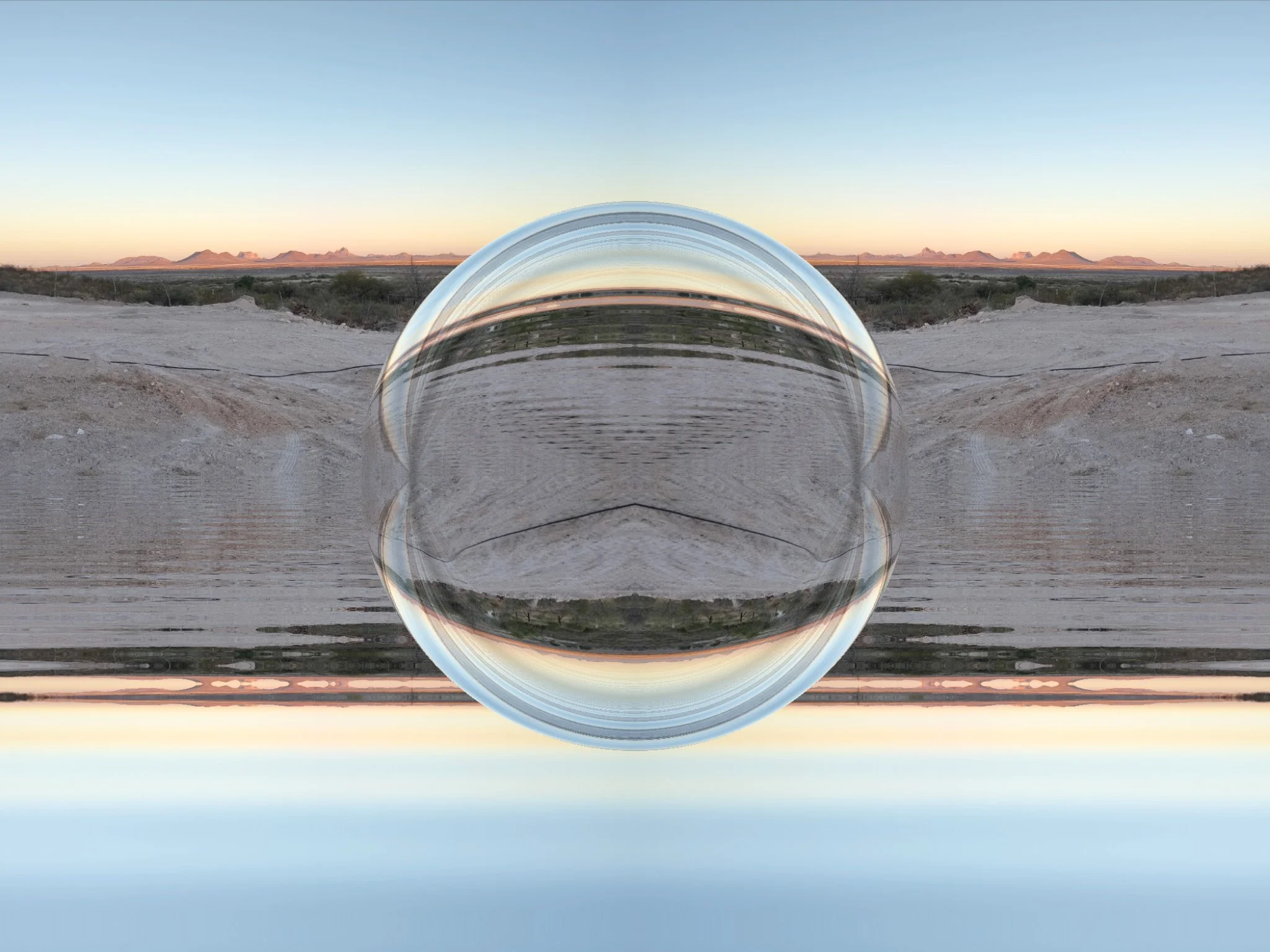
From the resonant chambers of Tikal to the open desert of the Bolsón de Mapimí, each capture is a record of how a place behaves acoustically: impulse responses, standing waves, and the geophonic material of landscape without architecture.
Whether the builders intended any of it is an open question. The work contributes data to it.
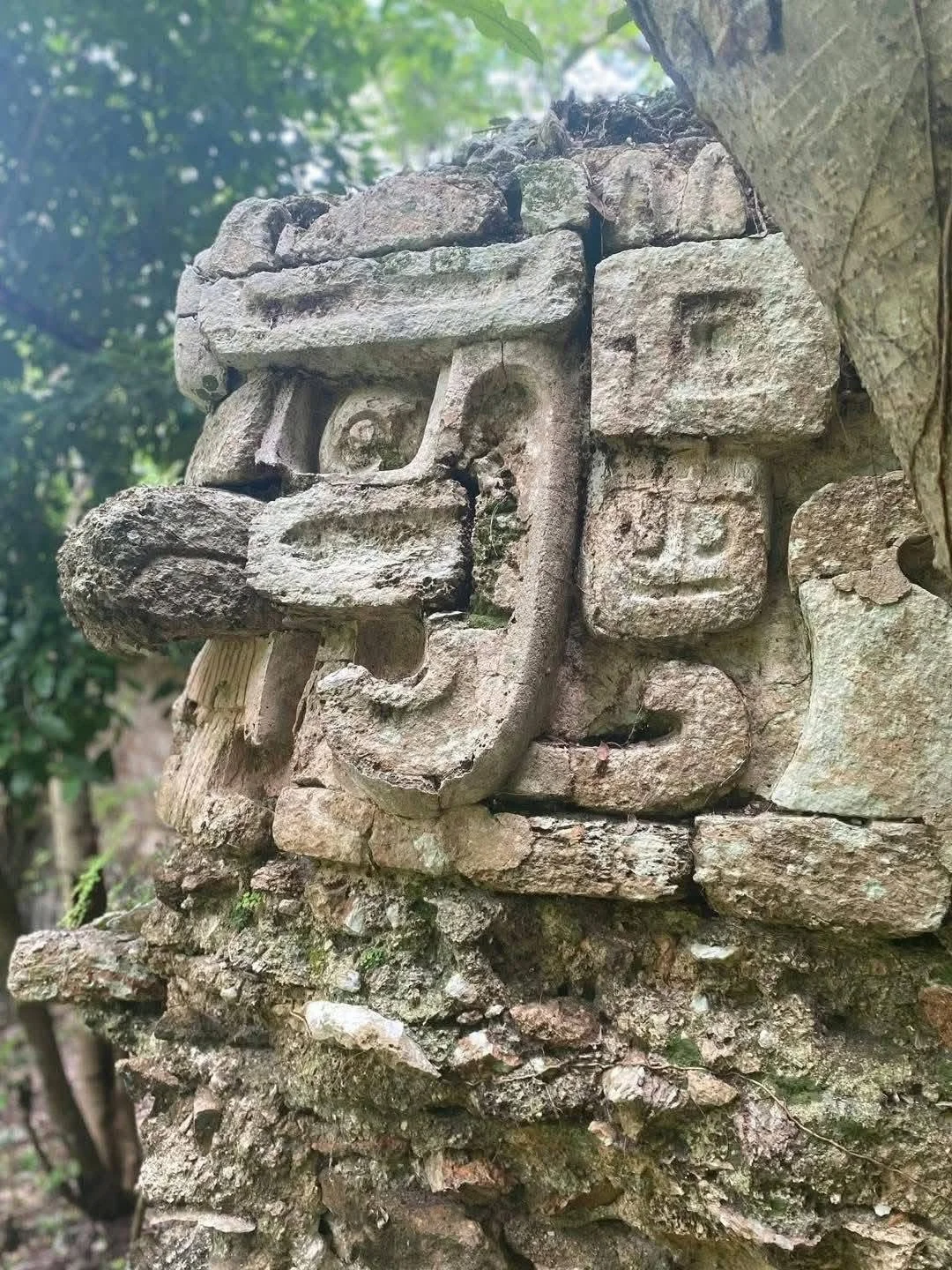
Sound work at the Ancient Mayan Observatory
Uaxac’Tun The Eight Stones
Grupo E, Uaxactún
Grupo E is the type site for E-Group complexes — the arrangement where a western radial pyramid faces three eastern structures aligned to sunrise at the solstices and equinoxes. Every complex of this kind across the Maya lowlands is named after this one.
What the builders achieved optically here is documented. What they achieved acoustically is not. That is what I went to record: how these chambers behave when a sustained tone is put into them, and what a space built this way holds after the source has stopped.
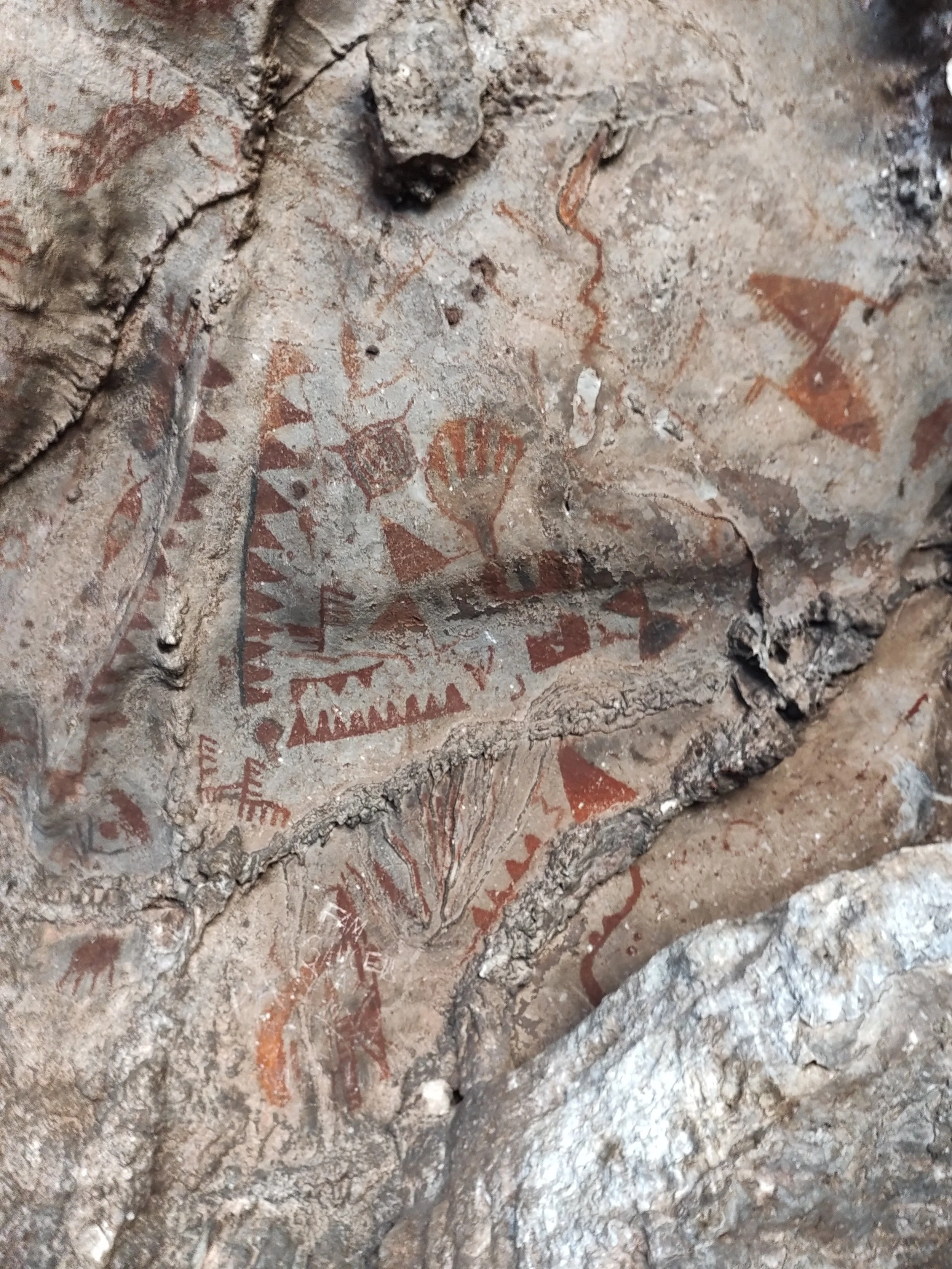
Sound work in The Mapimi Desert
Zona Del Silencio Lost Radio Transmission
Field research turned into a piece. Recorded in the open desert of the Bolsón de Mapimí, where I ran an HF receiver alongside the microphones — radio traffic is not sound, and hearing it at all requires converting it into something audible.
Those signals are layered with the environmental ambience of the place itself: what was there the second I pulled off the headphones. Back home I anchored it with a distant drum, which was never in the desert — only in the wind of my imagination.
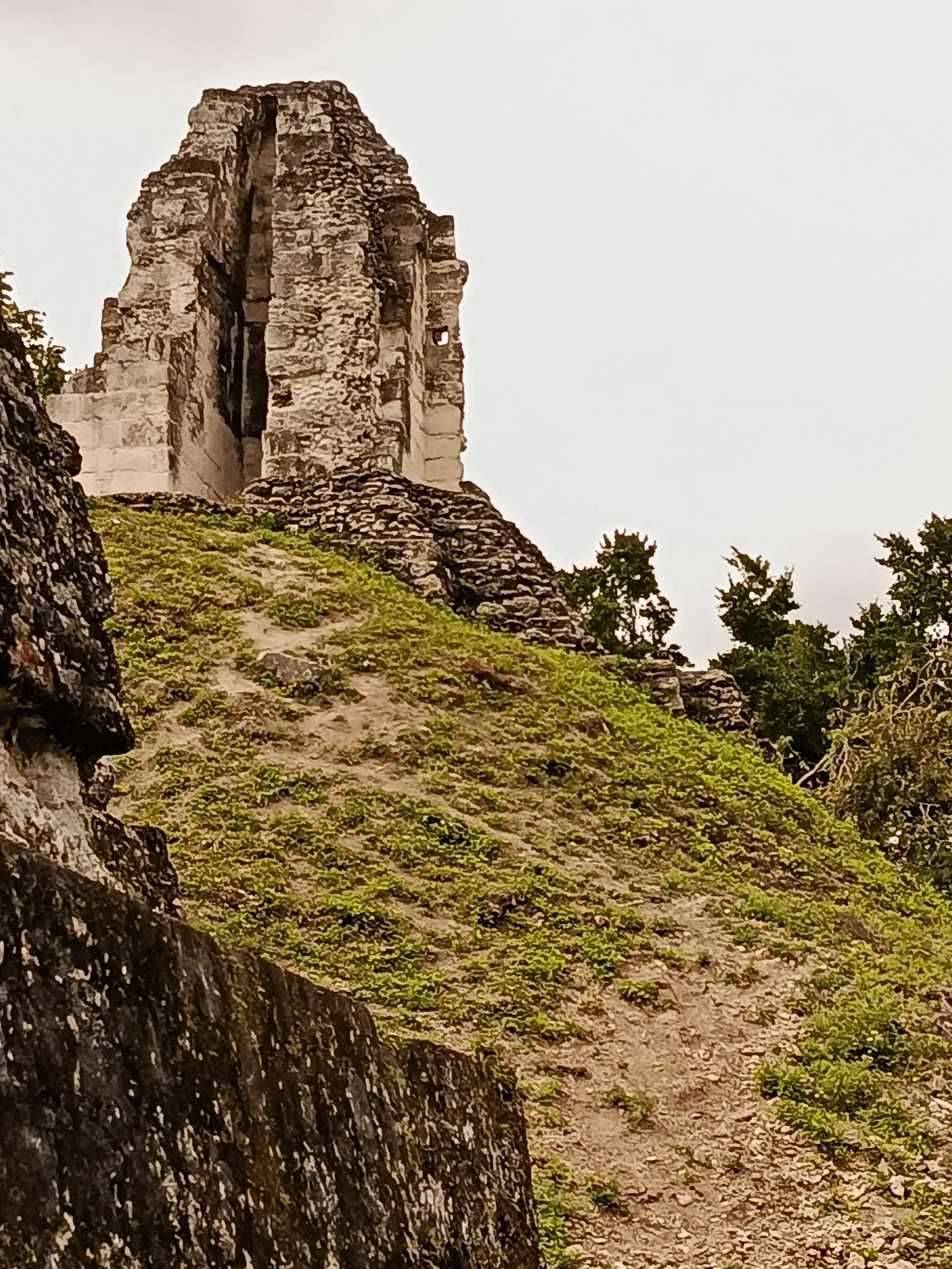
Sound Walk to The Ancient Acropolis
Tikal’s Frequencies of the Forbidden
Recording Tikal was an exercise in patience and timing. Working with the local archaeological community and the authorities of Petén, I secured the permits and worked with official guides — the protocol matters here, and it is what makes the recordings usable.
The rest was walking. Kilometres of trail, day after day, waiting for the rare windows when the park falls quiet. What the recordings hold is the difference between levels: the long low decay of the chambers at ground level, and the thinner, brighter ambience at height, where the forest and the wind take over.
An audio document of how these spaces behave, made under the terms that allow it to exist.